The Short Answer
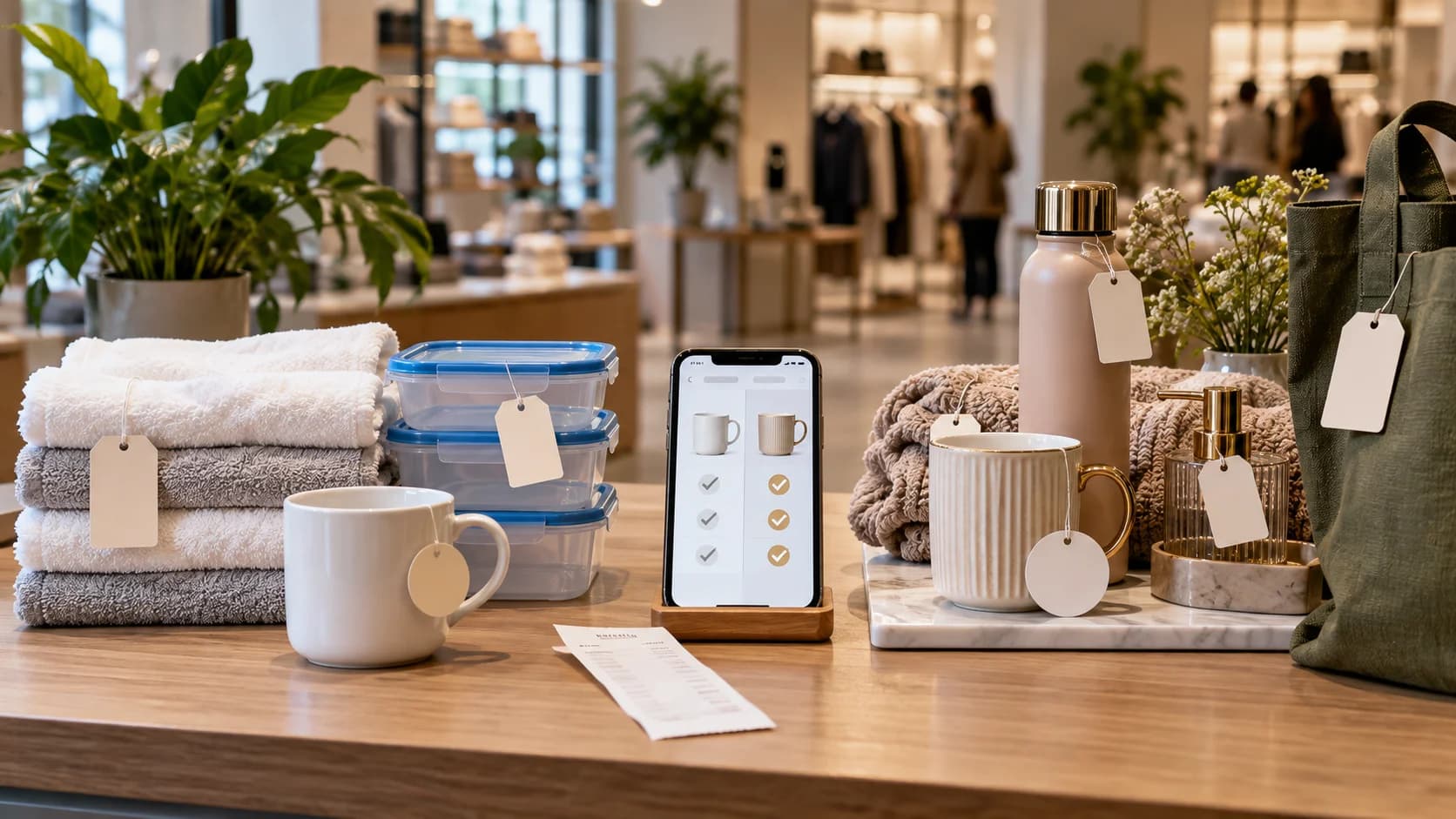
Budget premium is the 2026 shopping mindset where people save aggressively on products that do not matter much to them and trade up for products that clearly earn the extra money. It is not the same as luxury shopping, and it is not the same as buying the cheapest option. It is selective spending. A shopper might buy value storage containers, private-label basics, and a discounted phone plan, then pay more for headphones, skincare, coffee, a mattress, or a laptop they use every day.
This mindset is growing because consumers are more skeptical. They are willing to spend, but they want proof. The product has to offer better performance, durability, convenience, taste, design, safety, sustainability, or trust. If the premium is vague, shoppers trade down. If the value product is good enough, they stay there. The middle of the market is under pressure because average products at average prices are harder to justify.
Why The Trend Matters Now
NielsenIQ's August 2026 report, A Tale of Two Consumers, describes a polarized consumer landscape where people move between upgrading and trading down depending on whether a product earns trust and value. The report argues that the biggest divide is behavioral, not only generational. Consumers across income levels can pay more when the benefit is clear and save when it is not.
NIQ's new premium playbook for tech and durables makes the same point for appliances, electronics, and durable goods: premium can still grow, but shoppers are price sensitive and product differentiation fades quickly. That is the budget-premium tension in one sentence. People want better, but they do not want to feel fooled.
When To Trade Up
Trading up makes sense when the product is used often, hard to replace, safety-related, comfort-related, or likely to last longer when built better. A laptop, mattress, kitchen knife, headphones, suitcase, desk chair, winter coat, sunscreen, or everyday shoes may justify a premium because the benefit repeats. The more often you use something, the more small quality differences matter.
The premium also needs a reason. Better materials, longer warranty, repairability, lower energy use, stronger battery life, better fit, improved health or safety features, and proven durability are real reasons. A prettier box, influencer hype, fake scarcity, or a vague clean-living claim may not be. Trade up when you can explain the upgrade without using brand language.
When To Save
Saving makes sense when the value option performs the job well, the product is used rarely, or the premium version mostly adds style. Basic pantry goods, storage bins, simple cleaning supplies, spare cables, party decorations, backup items, and single-use tools often belong in the save column. Private-label products can also be excellent when quality is consistent and the category does not require special performance.
Saving is not failure. It is what makes selective upgrades possible. A shopper who saves on low-emotion basics may have more room to buy the better item where it matters. The mistake is making every purchase a trade-up. Premium becomes meaningless if everything is treated as essential.
The Middle Is Risky For Shoppers Too
NIQ's report says the middle market is under pressure because growth is concentrating at the premium and value ends. That is useful for shoppers because it explains why some mid-priced products feel confusing. They may cost more than value products without offering enough improvement to justify the jump. They may also be close enough to premium pricing that paying slightly more gets a better warranty, design, or performance.
This does not mean mid-priced products are bad. Many are excellent. It means the shopper has to ask sharper questions. What am I getting above the value option? What am I giving up compared with the premium option? Is the difference visible in daily use? Does the brand explain the product clearly, or does it rely on vibes? If the middle product cannot answer, skip it.
How To Build A Budget-Premium List
A budget-premium list starts with categories, not brands. Write down where quality affects your life most: sleep, work, cooking, fitness, commuting, grooming, hobbies, health, or hosting. Those are potential trade-up zones. Then write down categories where you barely notice differences. Those are save zones. This helps you shop from your own routine instead of from ads.
Next, set proof rules. For electronics, proof might be battery life, repair support, software updates, and return policy. For home goods, it might be material, washability, warranty, and replacement parts. For beauty, it might be ingredient transparency, skin compatibility, and packaging hygiene. For food, it might be taste, nutrition, sourcing, or convenience. Premium has to pass the proof test.
Watch Out For Fake Premium
Fake premium uses design cues without enough substance. Matte packaging, minimalist typography, heavy bottles, inflated comparison prices, and limited drops can make a product feel more valuable than it is. Some products are genuinely better; some just know how to look better in a cart. The antidote is boring research: compare ingredients, materials, warranties, measurements, reviews, and return policies.
Budget premium also means resisting social pressure. A product can be popular and still not solve your problem. A cheaper product can be unfashionable and still work beautifully. The right purchase is the one that meets your standard at the right price. That standard should come from your use case, not the loudest feed.
One helpful habit is waiting a day before buying any premium upgrade that was not already on your list. If the reason still makes sense tomorrow, the product may be worth it. If the desire fades as soon as the sale banner disappears, the premium was probably being created by urgency rather than usefulness.
The Bottom Line
Budget premium is a healthier way to shop because it treats money as a tool. Spend more when the product proves value through performance, comfort, convenience, durability, or trust. Spend less when the upgrade is mostly cosmetic or irrelevant to your routine. This is not about being cheap. It is about being intentional.
The 2026 shopper has more choices and more noise than ever. The budget-premium mindset cuts through that noise. Buy value where good enough is truly good enough. Trade up where better will be felt often. Leave the unclear middle alone until it earns its place.
This approach also works across a household budget. A family may choose value cleaning supplies, mainstream pantry staples, and basic storage items, then trade up for a refrigerator, shoes, headphones, or skincare product that affects daily comfort. The win is not perfection. The win is knowing why each dollar moved up or down.
Sources
- A Tale of Two Consumers: The polarized mindsets reshaping global consumption
NielsenIQ | Published | Checked
- The New Premium Playbook: How Tech and Durables Brands Can Earn, Scale and Sustain Value Growth
NielsenIQ | Published | Checked
- Trade up the trips: Growing your value within the evolving Hotel channel
NielsenIQ | Published | Checked
Editorial disclosure
This article was drafted by The Daily Unfold editorial desk using reviewed public consumer trend research. It is independent shopping analysis, not sponsored content or financial advice.