Science5 min read
NASA and IBM’s Lunar AI Model: What It Can Actually Do
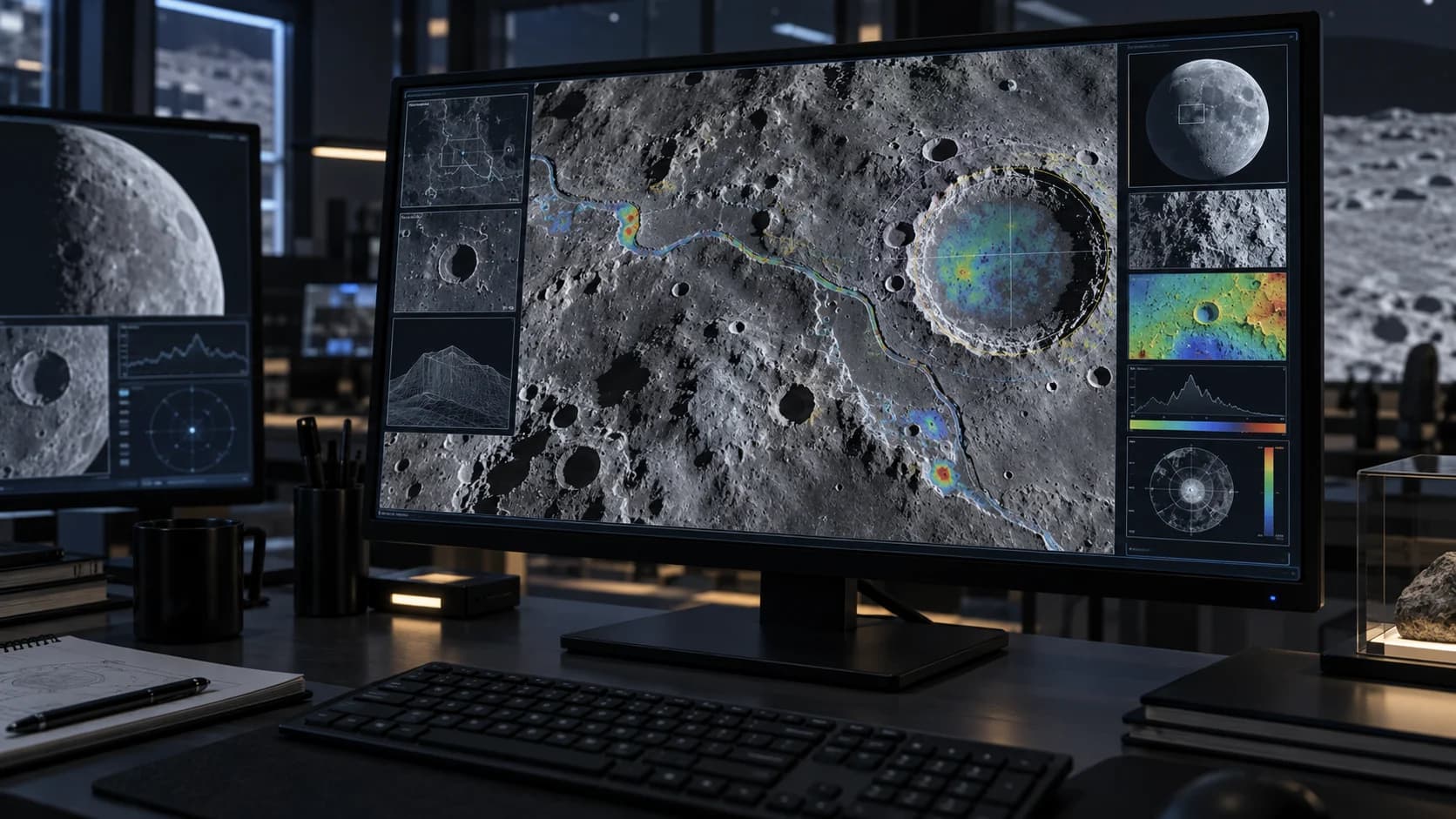
NASA and IBM released an open-source AI model trained on lunar data. Here is how it maps craters, volcanic features and possible polar ice—and where caution remains.
The Daily Unfold archive
Catch up, dig deeper, or discover something completely unexpected.
7 stories in Science
NASA and IBM released an open-source AI model trained on lunar data. Here is how it maps craters, volcanic features and possible polar ice—and where caution remains.
Hubble and Webb studied 27 newly found objects beyond Neptune. Learn what their colours and sizes suggest about the solar system’s early history.
NASA's Artemis program is again a major science story, with Artemis II crew activity and the Artemis Accords pointing toward the next phase of lunar exploration.
Everyday environmental action works best when it connects household habits to energy, waste, food, transport, repair, and local policy instead of guilt.
Climate change in 2026 is no longer a distant forecast. Warming, ocean heat, sea-level rise, and extreme weather are pushing adaptation into daily planning.
Satellites, GPS tags, and wildlife movement data are changing how scientists understand migration, disease risk, protected areas, and climate pressure on animals.
Webb's colorful images translate mostly invisible light into something we can see. Learn how to read their filters, captions, and scientific context.